US Lawmaker Warns Licensing Deal for TikTok’s Algorithm Sparks Major Security Concerns
Introduction
A prominent U.S. lawmaker has sounded the alarm over the proposed deal surrounding TikTok’s algorithm and future U.S. operations. The concern isn’t just about ownership — it’s the technology behind what 170 million Americans see, how it’s controlled, and whether that control remains tied to China. The potential licensing agreement linking Chinese parent company ByteDance to the algorithm of TikTok’s U.S. arm has triggered a fresh wave of scrutiny about national security, data sovereignty, and algorithmic influence.
Background: Why the Algorithm Matters
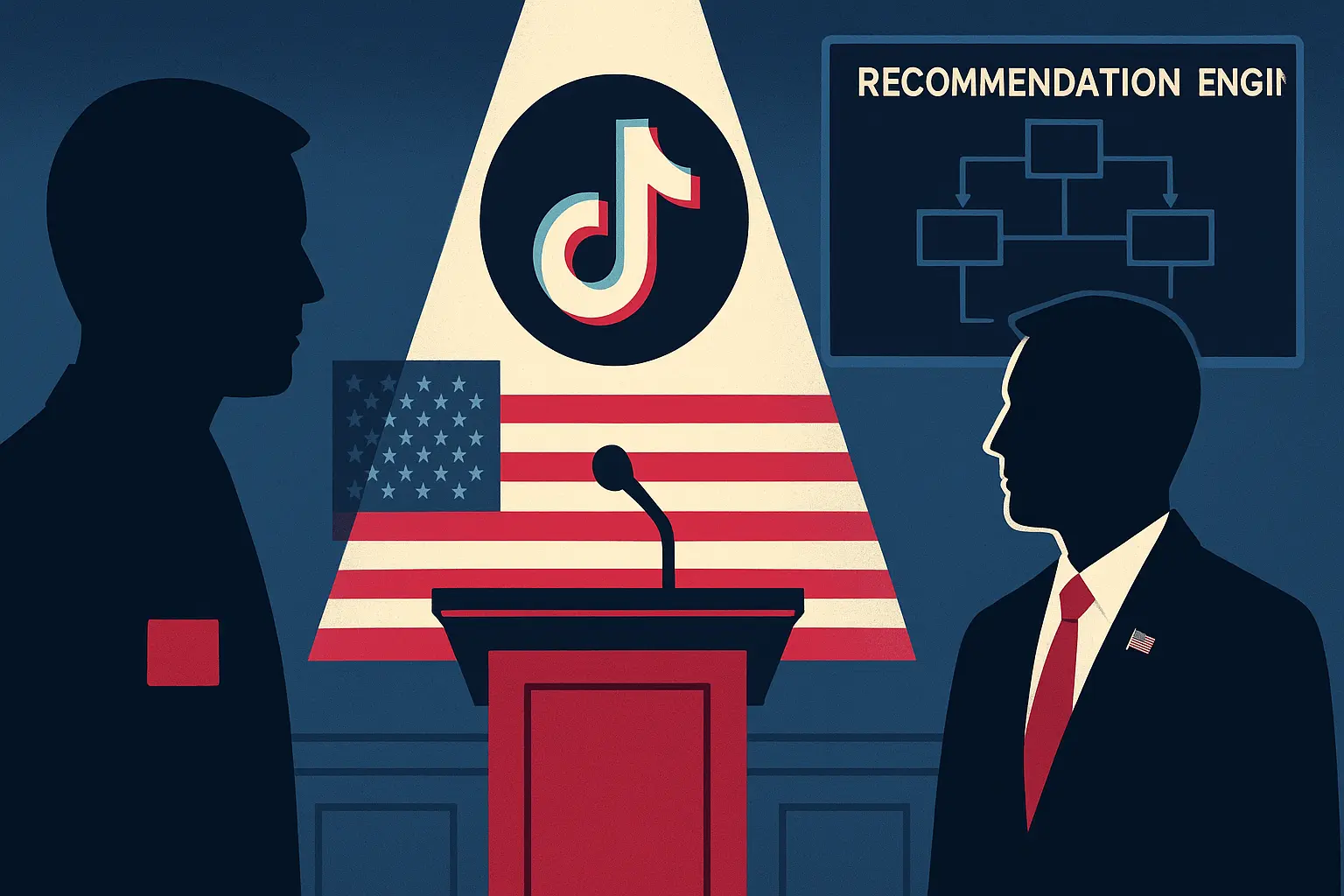
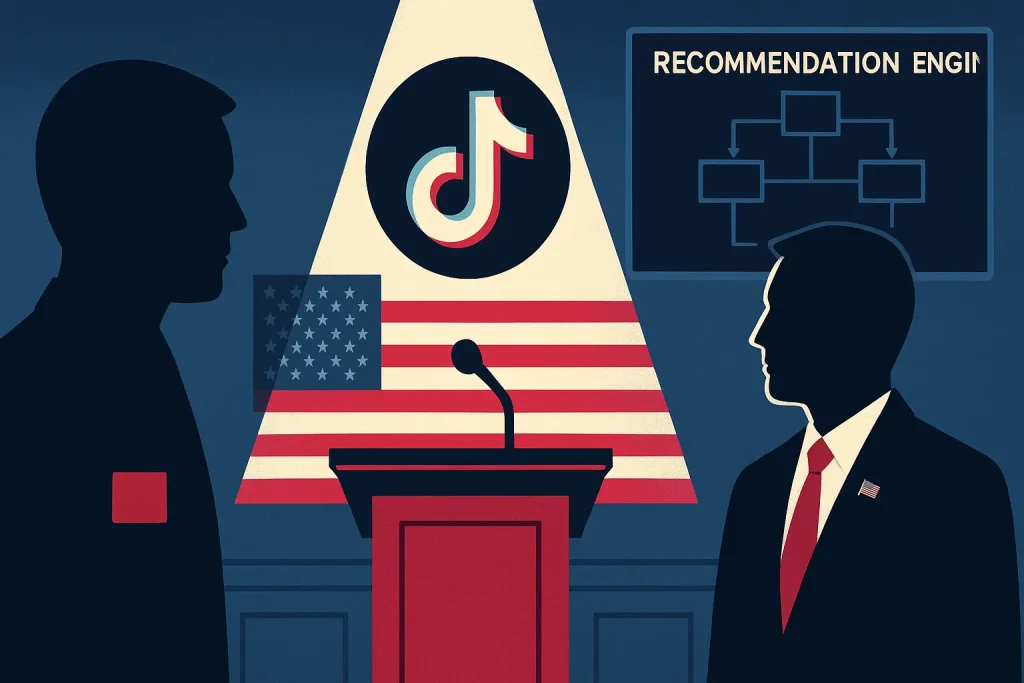
TikTok’s rise has been built largely on its ability to serve finely calibrated video recommendations — a complex algorithm refined through billions of user interactions. That recommendation engine isn’t a simple piece of software; it’s the core “secret sauce” of the platform.
When U.S. lawmakers passed the Protecting Americans from Foreign Adversary Controlled Applications Act (PAFACA) in 2024, the law targeted apps controlled by “foreign adversaries” and required divestment or operational separation.
Now, as TikTok’s U.S. deal approaches finalization, attention has turned squarely to algorithm control — who owns it, who can tweak it, and whether China retains any leverage.
What the Proposed Deal Says
The deal under discussion would see TikTok’s U.S. operations spun off under a majority-U.S. ownership structure, with ByteDance holding less than 20 percent and one board seat reserved for it.
Crucially, the new U.S. entity would license the existing algorithm from ByteDance, rather than entirely replace it. According to officials, the algorithm would be “retrained and monitored” under U.S. supervision.
This licensing model has sparked concern. A key U.S. lawmaker, John Moolenaar, chair of the House Select Committee on China, said:
“Any time you have China with leverage over the algorithm, I think that’s a problem.”
He added bluntly:
“I just believe you have to have a new algorithm, and I don’t know that you can reprogram.”
The Core Concerns
1. Continued Chinese Influence
The notion that ByteDance could continue to license the algorithm means Chinese control may not be fully severed. That raises questions about user data, algorithm updates, and content moderation.
2. Algorithm as a National Security Asset
U.S. officials view the algorithm not just as proprietary tech, but as a strategic asset that influences what Americans see in their feeds. That influence may have implications for public discourse, elections, and social norms.
3. Feasibility of Reprogramming
Experts caution that retraining or rewriting a complex recommendation engine is neither quick nor guaranteed. If the U.S. entity simply uses the existing engine under license, some latent control may remain abroad.
4. Transparency and Oversight Gaps
While the deal claims to embed oversight — a U.S. board majority, mandated retraining, and monitoring — implementation details remain murky. How auditing will occur, how algorithmic changes will be reviewed, and whether external actors can access the system are all still under discussion.
Implications for the U.S. Government
For Washington, the stakes are high. The government faces the challenge of balancing two goals: allowing TikTok to continue operating (avoiding an outright ban and alienating 170 million users), and ensuring that a foreign adversary’s technology does not compromise U.S. data or free-flowing discourse.
The licensing model pushes the White House into the driver’s seat in negotiations over data infrastructure, algorithmic integrity, and platform governance. This marks a pivot — social-media regulation is no longer just about content moderation, but about who controls the algorithm.
Implications for TikTok and ByteDance
For TikTok and ByteDance, the deal offers a lifeline — a path to remain in the U.S. market under the new structure. But the cost is steep: reduced direct ownership, tighter regulatory scrutiny, and ongoing questions about whether they have truly relinquished control.
If the licensing route leaves residual influence, the arrangement may satisfy corporate interests but frustrate lawmakers. ByteDance’s involvement via algorithm licensing gives it a continuing role (albeit indirect) and could yield profit from U.S. operations, even if shareholding is reduced.
Implications for Users and Platform Dynamics
For everyday users, what matters most is how content is delivered — what shows up in their “For You” feed, how recommendations evolve, whether user data is secure, and whether platform changes degrade user experience.
If algorithmic control remains with a foreign entity, even indirectly, users may face unseen risks — from hidden bias to data-leak vulnerabilities. Critics argue users seldom know how algorithms operate; they see outcomes but rarely the mechanics. A deal that licenses existing code instead of building new code may undermine calls for transparency and trust.
Exploring the Bigger Picture: Digital Sovereignty and Algorithmic Control
This TikTok case is about more than one app. It signals a broader shift in how nations view digital platforms. Algorithms are emerging as assets of national sovereignty, not just corporate IP.
When one country’s tech powers another’s public discourse, questions of influence, value alignment, and risk escalate. Countries are thus framing algorithms as strategic infrastructure — the code that recommends, the data that fuels it, and the governance that audits it.
Hence, lawmakers highlight not just “Who owns the company?” but “Who can access and modify the algorithm?” The TikTok licensing deal sits at the nexus of tech, policy, and security.
Remaining Questions and Risks
- Will the U.S. entity truly operate a wholly separate algorithm, or will it rely on the licensed code with minor modifications?
- How will oversight be enforced? Will external audits be required?
- What happens if Chinese export authorities block algorithm transfer or later challenge the licensing arrangement?
- Will the deal satisfy the letter of the 2024 law (divestiture deadline January 2025) but not the spirit of full separation?
- Could the licensing model become a precedent for foreign tech to maintain indirect control even under U.S. ownership?
What to Watch Next
- The formal briefing requested by U.S. lawmakers to the White House — details may reveal whether algorithm code is fully transferred or merely licensed.
- The U.S. government’s public statement about algorithm oversight and monitoring processes.
- How ByteDance’s less-than-20 percent stake and board seat translate into actual influence in the new entity.
- Whether China’s export control rules on technology will interfere with code transfer or licensing.
- Any new congressional hearings or legislation in response to the deal’s licensing framework.
Conclusion
The licensing deal for TikTok’s algorithm may at first glance look like a technical detail — but it is anything but minor. It raises fundamental questions: Who controls what billions of users see? How secure is their data? And to what extent does a foreign adversary continue to influence a major U.S. platform?
For the U.S. government, the deal represents a gamble — keep TikTok operating but under what terms? For ByteDance, it offers a way forward — but possibly at the cost of relinquishing meaningful control. For users, the stakes are subtle yet real: the content they consume, the data they generate, and the unseen rules that determine both.
In the end, the algorithm isn’t just code. It’s power — and the question isn’t only who owns TikTok, but who programs the future of what we see.